
Polyamide Profiles and Carbon Footprint
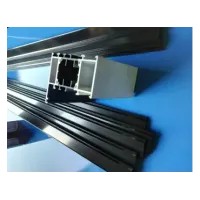
Eco-Friendly Production: How Do Polyamide Profiles Reduce the Carbon Footprint?
Today, sustainability has become one of the top priorities in the industrial and construction sectors. Eco-friendly production processes contribute to protecting nature and enhancing energy efficiency by minimizing carbon emissions. Polyamide profiles, with their lightweight structure, long lifespan, and energy-saving properties, play a significant role in reducing the carbon footprint. So, how do polyamide profiles offer a more environmentally friendly production process?
1. Production with Low Carbon Emissions
Polyamide profiles are produced with lower energy consumption compared to traditional materials. In comparison to PVC or metal-based profiles, the production process generates fewer greenhouse gas emissions and keeps harmful waste to a minimum.
✔ Use of recyclable raw materials helps reduce environmental harm.
✔ Lower production temperatures decrease energy consumption and reduce carbon emissions.
✔ Reduced waste generation minimizes environmental impact.
2. Lighter Material, Lower Energy Consumption
The lightweight nature of polyamide profiles provides energy savings in production, transportation, and installation processes. Being lighter than traditional metal or PVC profiles means less fuel is consumed during transportation, thus lowering carbon emissions.
✔ Lower transportation costs due to lightweight structure.
✔ Reduced fuel consumption decreases the environmental impact of logistics processes.
✔ Less manpower and equipment needed during installation increases operational efficiency.
3. Durable and Long-Lasting Structure
Polyamide profiles are highly resistant to wear, impact, and weather conditions, ensuring long service life. This reduces the need for material replacement, thereby minimizing waste generation and energy consumption.
✔ Long service life reduces waste volume.
✔ Requires less maintenance, thus saving energy and resources.
✔ Resistant to corrosion and UV rays, adapting well to environmental conditions.
4. Ideal Solution for Energy-Efficient Buildings
The low thermal conductivity of polyamide profiles contributes to energy savings in buildings and industrial structures. By providing thermal insulation, they prevent heat loss and enable buildings to consume less energy.
✔ Lower thermal conductivity reduces heating costs in winter and cooling costs in summer.
✔ Ideal material for passive house concepts and sustainable structures.
✔ Boosts energy efficiency when used in aluminum window and façade systems.
5. Recyclable and Eco-Friendly Material
Polyamide profiles are an eco-friendly alternative thanks to their recyclable nature. Waste generation is minimized during production, and at the end of their service life, they can be recycled to further reduce environmental impact.
✔ Recycled raw materials can be used during production.
✔ At the end of use, they can be recycled into new products.
✔ Contain fewer toxic components compared to traditional plastic-based materials.
Conclusion: A Greener Future with Polyamide Profiles
✔ Offers an eco-friendly production process with low carbon emissions and energy consumption.
✔ Saves fuel in logistics processes due to its lightweight structure.
✔ Minimizes waste generation thanks to its durable and long-lasting material.
✔ Enhances energy efficiency in buildings by providing thermal insulation.
✔ Offers a sustainable solution through recyclability.