
Thermal Barrier Systems: Turkey’s Energy-Efficient Building Solutions
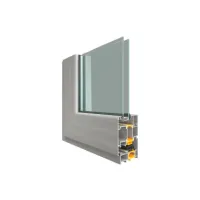
Thermal Barrier Systems: Turkey’s Energy-Efficient Building Solutions
Thermal barrier systems are a cornerstone technology in the modern construction industry, enhancing energy efficiency and supporting sustainability. Utilized in aluminum window, door, and facade systems, thermal barrier systems reduce heat loss, optimizing energy consumption in buildings. In Turkey, with rising environmental awareness, increasing energy costs, and growing demand for green building standards, the use of thermal barrier systems is rapidly expanding.
Fundamentals of Thermal Barrier Systems Technology
Thermal barrier systems consist of specialized insulation materials that interrupt thermal bridges between the inner and outer surfaces of aluminum profiles. These systems minimize energy losses by counteracting aluminum’s high thermal conductivity. Typically made from glass fiber-reinforced polyamide or polyurethane-based materials, thermal barrier systems provide both thermal insulation and mechanical strength.
Operating Principles of Thermal Barrier Systems
Thermal barrier systems function as follows:
- Heat Transfer Reduction: Interrupts thermal bridges in aluminum profiles to minimize heat transfer.
- Moisture and Condensation Control: Prevents moisture buildup on interior surfaces, ensuring a comfortable indoor environment.
- Energy Efficiency: Reduces heating and cooling costs by 25-45%.
- Temperature Stability: Minimizes indoor temperature fluctuations.
Development of the Thermal Barrier Systems Market in Turkey
Market Growth and Dynamics
The thermal barrier systems market in Turkey has experienced significant growth in recent years:
- 2015-2025 Market Development:
- 320% Growth Rate: Market volume increased from 4,800 tons in 2015 to 20,160 tons in 2025.
- Domestic Production Growth: Import dependency decreased from 75% to 35%.
- Technological Advancement: European-standard production facilities established.
- R&D Investments: Domestic innovation centers created.
Application Sector Distribution
Thermal barrier systems usage by sector:
- 45% Residential Projects: Mass and individual housing.
- 30% Commercial Buildings: Offices, shopping centers, and hotels.
- 15% Industrial Structures: Factories and logistics centers.
- 10% Public Buildings: Schools, hospitals, and administrative buildings.
Thermal Barrier Systems Production Technologies
Material Types and Properties
Polyamide-Based Thermal Barrier Systems:
- PA66 GF15 Economy Series:
- 15% glass fiber reinforced.
- Thermal conductivity: 0.27-0.32 W/mK.
- Tensile strength: 100-125 MPa.
- Ideal for low-cost projects.
- PA66 GF25 Premium Series:
- 25% glass fiber reinforced.
- Thermal conductivity: 0.20-0.25 W/mK.
- High strength and thermal performance.
- 30+ year service life guarantee. Polyurethane-Based Systems:
- Low-density, lightweight structures.
- High thermal insulation capacity.
- Flexible design for specialized projects.
Production Processes and Quality Standards
Production Process:
- Material Mixing: Integration of polyamide or polyurethane with glass fiber.
- Extrusion: Precise production at 250-280°C.
- Cooling and Shaping: Calibration for dimensional accuracy.
- Quality Control: Thermal, mechanical, and environmental testing.
Quality Assurance:
- Input Controls: Raw material purity and composition testing.
- Process Monitoring: Real-time tracking of production parameters.
- Final Testing: U-value, tensile strength, and fire resistance analysis.
- Certification: Compliance with CE, TSE, and ISO 9001 standards.
Thermal Barrier Systems Performance Analysis
Thermal Performance Metrics
- U-Value Improvements:
- Conventional aluminum: U = 5.8 W/m²K.
- With thermal barrier systems: U = 1.1-1.9 W/m²K.
- Thermal efficiency increase: 67-80%.
- Energy savings: 35-50% reduction in annual heating and cooling costs.
Mechanical Strength Tests
Tensile Strength:
- Test standard: EN ISO 527-2.
- PA66 GF25: 165-185 MPa.
- Safety factor: 3.0-3.5 times.
- Service life: 30+ years.
Fatigue Resistance:
- Test cycles: 2,000,000+.
- Temperature range: -30°C to +80°C.
- Result: No performance degradation observed.
Thermal Barrier Systems Application Guide
Selection Criteria by Project Type
Residential Projects:
- Economy Housing: PA66 GF15, 12-16mm width, cost-focused.
- Mid-Segment Housing: PA66 GF20, 16-22mm width, performance/cost balance.
- Luxury Housing: PA66 GF25 or polyurethane, 22-30mm width, high performance.
Commercial and Industrial Projects:
- Offices and Shopping Centers: Wide-profile, high-security systems.
- Industrial Facilities: Heavy-duty series for extreme conditions.
- Tourism Facilities: UV and humidity-resistant, aesthetically focused solutions.
Thermal Barrier Systems Cost Analysis
Pricing Factors
Material Costs:
- PA66 GF15: 22-28 TL/kg.
- PA66 GF25: 40-48 TL/kg.
- Profile design: Standard 1x, custom 1.5-2x price.
Installation Costs:
- Standard: 5-8 TL/meter.
- Custom applications: 10-16 TL/meter.
- Additional factors: Quality control (5-8%) and warranty coverage.
Return on Investment:
- 100m² Residential Example:
- Additional cost: 3,000-5,000 TL.
- Annual savings: 1,200-2,000 TL.
- Payback period: 2.5-4 years.
- 25-year savings: 25,000-45,000 TL.
Technological Innovations in Thermal Barrier Systems
R&D and Innovation
- Nanotechnology: Nano-enhanced materials offering 20-30% better thermal performance.
- Bio-Based Materials: Renewable sources with low carbon footprint.
- Smart Systems: IoT-integrated, adaptive thermal properties.
2025-2030 Projections:
- 45% market growth.
- 20% cost optimization.
- 100% recyclable product target.
Thermal Barrier Systems Standards and Certifications
Turkish Standards: TS EN 14024, TS 825, TSE Mark.
European Standards: EN 14024, CE Marking, ISO 9001.
Certification Process: Laboratory testing, facility audits, conformity declaration.
Thermal Barrier Systems Procurement Strategy
Supplier Selection
- Technical Competence: 10+ years experience, R&D capacity.
- Production Capacity: 100+ tons monthly, flexible production.
- Quality Assurance: ISO 9001, CE-certified products.
- Customer Support: 24/7 technical support, on-site services.
Contract Terms
- Clear technical specifications, delivery conditions, and warranty coverage.
Sustainability and Thermal Barrier Systems
Environmental Benefits: 35-55% carbon emission reduction, 95% recyclability.
2053 Net Zero Target: Potential to reduce building emissions by 30%.
Regional Market Analysis
Metropolitan Cities: Istanbul (35%), Ankara (18%), Izmir (10%).
Climate Zones: UV resistance for Mediterranean, humidity resistance for Black Sea, cold resistance for Central Anatolia.
Conclusion: A Sustainable Future with Thermal Barrier Systems
Thermal barrier systems play a critical role in achieving Turkey’s energy efficiency and sustainability goals. With domestic production advantages, international standards, and innovative technologies, these systems offer both economic and environmental benefits.
Key Benefits:
✅ 35-55% Energy Savings.
✅ 30+ Year Lifespan.
✅ Eco-Friendly and Recyclable.
✅ Domestic Production for Fast Supply.
✅ CE and TSE-Certified Performance.
Contact: With over 25 years of expertise, we provide tailored thermal barrier system solutions, technical support, and quality production to support sustainable buildings.