
Innovations in Thermal Break Technology: PA Strips and Co-Extrusion
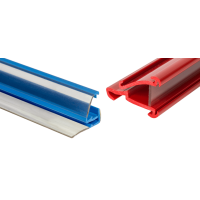
Innovations in Thermal Break Technology: From Standard PA Strips to Co-Extrusion and Recycled Materials
The pursuit of energy efficiency in the construction industry continues to drive the evolution of thermal break technologies. What began in the 1970s with standard polyamide strips has now advanced into a new era with co-extrusion technologies and recycled materials. This technological transformation, which has gained momentum in Turkey in recent years, represents groundbreaking progress in both performance and sustainability.
Evolution of Thermal Break Technology
First Generation: Standard PA Strips (1970–1990)
The foundation of thermal break technology was laid with simple polyamide strips. These PA66-based systems provided a basic solution for interrupting heat transfer in aluminum profiles.
Key Features:
-
Non-reinforced or low glass-fiber content PA66 (5–10%)
-
Simple mechanical connection methods
-
Limited thermal performance (U-value: 3.5–4.5 W/m²K)
-
Low mechanical strength (40–60 MPa)
-
Limited service life (10–15 years)
At this stage, the technology was still in its infancy, and energy efficiency was not yet a critical concern.
Second Generation: Glass Fiber Reinforced Systems (1990–2010)
The 1990s saw a major leap forward with the increased use of glass fiber reinforcement. High-performance materials like PA66 GF15 and GF25 became industry standards.
Enhanced Features:
-
15–25% glass-fiber reinforced polyamide
-
Improved extrusion techniques
-
Better thermal performance (U-value: 1.8–2.5 W/m²K)
-
Higher mechanical strength (100–160 MPa)
-
Longer service life (25–30 years)
During this period, Turkey established its first domestic production facilities, reducing dependence on imports.
Third Generation: Co-Extrusion Technology (2010–Present)
The 2010s witnessed a revolution as co-extrusion technology entered the thermal break systems market. This process allows multiple materials to be combined within a single production line, achieving unmatched performance and functionality.
Co-Extrusion Technology: The Star of the New Era
What Is Co-Extrusion?
Co-extrusion is the simultaneous extrusion of two or more polymers to create multi-layer profiles, each with optimized properties.
Layer Structure:
-
Outer Layer (Surface): High durability, UV resistance, aesthetic appearance
-
Core Layer: Structural support with high glass-fiber content
-
Inner Layer (Thermal Barrier): Low thermal conductivity for maximum efficiency
Advantages of Co-Extrusion
Technical Superiority:
-
Optimized thermal performance through multi-layer design
-
Functional specialization of each layer
-
15–20% material optimization
-
High dimensional stability and precision
-
Easier production of complex geometries
Performance Improvements:
-
U-value: 0.8–1.3 W/m²K (30–40% better than standard systems)
-
Tensile strength: 180–220 MPa
-
Temperature resistance: –40 °C to +120 °C
-
Service life: 35–40 years guaranteed
Economic Benefits:
-
Long-term cost savings of 25–35%
-
40–50% reduction in energy use
-
Reduced maintenance and repair costs
-
Payback period: 2–3 years
Co-Extrusion Production Process
-
Raw Material Preparation
-
Specialized blends for each layer
-
PA66, PA6, and copolymer mixtures
-
Optimized glass-fiber ratios (10–35%)
-
Additives: UV stabilizers, antioxidants, pigments
-
-
Multi-Extrusion
-
2–4 extruders operating simultaneously
-
Specific temperature profiles for each layer (240–290 °C)
-
Precise flow control for layer thickness
-
Fusion in specialized dies
-
-
Cooling and Calibration
-
Gradual cooling systems
-
Tight dimensional calibration
-
± 0.05 mm tolerances
-
-
Quality Control
-
Layer thickness inspection
-
Thermal performance testing
-
Mechanical strength analysis
-
Visual and surface quality checks
-
Sustainability Through Recycled Materials
Transition to a Circular Economy
Climate concerns and limited resources are pushing the construction industry toward circular economy models. The use of recycled materials in thermal break systems is now a key part of this shift.
Sustainability Statistics (Turkey):
-
Over 15,000 tons of polyamide waste generated annually
-
Current recycling rate: 20–25%
-
2030 target: 75% recycled material content
-
Potential CO₂ savings: 45,000 tons per year
Recycled PA (rPA) Systems
Types and Properties:
-
Post-Industrial rPA:
-
Recovered from production waste
-
95–98% purity
-
Nearly identical mechanical performance to virgin PA
-
10–15% cost reduction
-
-
Post-Consumer rPA:
-
Recovered from used products
-
80–90% purity
-
Ideal for specialized applications
-
60–70% lower carbon footprint than virgin PA
-
-
Hybrid rPA Blends:
-
Mix of virgin and rPA (30–50% rPA)
-
Balanced performance and sustainability
-
Full compliance with industry standards
-
Optimized cost-to-performance ratio
-
rPA Production and Processing Technologies
Recycling Process:
-
Collection and sorting
-
Cleaning and decontamination
-
Grinding into 2–8 mm particles
-
Washing and drying
-
Re-granulation via extrusion
-
Mechanical and thermal property testing
Advanced Processing Techniques:
-
Laser-based contaminant detection
-
Molecular filtration for nano-level purification
-
Re-polymerization for molecular weight recovery
-
Additive optimization for performance enhancement
Performance Comparison: Virgin PA66 GF25 vs rPA Hybrid (50% rPA)
| Property | Virgin PA66 GF25 | rPA Hybrid (50%) |
|---|---|---|
| Tensile Strength | 170–185 MPa | 155–170 MPa |
| Thermal Conductivity | 0.22 W/mK | 0.24 W/mK |
| Service Life | 30+ years | 25–30 years |
| Carbon Footprint | 100% (base) | 35–40% |
| Cost | 100% (base) | 85–90% |
| Recyclability | 95% | 98% |
This demonstrates minimal performance loss with substantial sustainability benefits.
Nanotechnology and Smart Materials
Nano-Enhanced Thermal Break Systems
Nano-Material Types:
-
Graphene Nano-Plates: 0.1–0.5% addition
-
25–30% lower thermal conductivity
-
15–20% higher mechanical strength
-
Added electrical conductivity
-
-
Nano-Clay Particles:
-
Improved barrier and moisture resistance (+40%)
-
Long-term UV protection
-
Low-cost (+5–8%)
-
-
Carbon Nanotubes:
-
High strength and thermal stability
-
Improved flame retardancy
-
Used in premium applications
-
Smart and Adaptive Systems:
-
Phase-Change Materials (PCM):
-
Balance day/night temperature swings
-
Store and release energy
-
Improve comfort by 20–30%
-
-
Electrochromic Integration:
-
Dynamic light control
-
Smart-building integration
-
Expected mainstream use by 2025–2030
-
Innovative Thermal Break Market in Turkey
Market Dynamics and Growth Forecasts
Current (2025):
-
Co-extrusion market share: 15%
-
rPA systems share: 8%
-
Innovative solutions growth: 45% per year
-
Total market value: ₺850 million
2030 Forecasts:
-
Co-extrusion share: 45–50%
-
rPA share: 30–35%
-
Market value: ₺2.4 billion
-
Domestic production: 85%+
R&D and Innovation Centers:
-
University-industry partnerships expanding
-
TÜBİTAK-backed projects
-
Participation in EU Horizon programs
-
₺25 million+ annual R&D investment
Local Achievements:
-
First domestic co-extrusion line established
-
CE certification for rPA systems
-
Active nanotechnology labs
-
200% increase in patent applications
Application Areas and Project Examples
-
High-Performance Housing Projects:
-
Co-extruded PA66 GF30 systems
-
U-value: 0.9 W/m²K
-
40-year warranty
-
50% energy savings
-
Example: Istanbul Bosphorus Residence (2024)
-
-
Green-Certified Buildings:
-
LEED Gold/Platinum targets
-
rPA systems for sustainability credits
-
Example: Izmir EcoVista Towers (2025)
-
-
Commercial & Industrial:
-
Large-span co-extruded systems for malls/offices
-
Smart-building integration
-
Example: Ankara TechnoPark Tower (2024)
-
Industrial rPA systems for durability and cost efficiency
-
Example: Kocaeli Logistics Center (2024)
-
Cost–Benefit Analysis and Investment Perspective
Co-Extrusion Systems:
-
25–35% higher initial cost
-
Payback in 2–3 years
-
45–55% annual energy savings
-
35,000–55,000 ₺ lifetime savings (25 years)
rPA Systems:
-
10–15% cheaper than virgin PA
-
Lower carbon tax potential
-
Qualifies for green-building incentives
-
Improves brand perception (+3–5%)
Standards, Certifications, and Regulations
European Standards:
-
EN 14024 – General requirements for thermal break systems
-
EN 15733 – Co-extruded profiles
-
EN 15804 – Environmental Product Declarations
Turkish Standards:
-
TS EN 14024, TS 825, TSE Green Product Certificate
rPA Requirements:
-
Recycled content declaration
-
≥ 85% of virgin mechanical performance
-
30-year durability tests
-
Toxicity and emission control
Future Trends and 2030 Vision
Technological Innovations:
-
100% recycled and recyclable systems
-
Carbon-negative manufacturing
-
AI-optimized production
-
Blockchain traceability
Performance Goals:
-
U-value ≤ 0.5 W/m²K
-
Service life > 50 years
-
100% recyclability
-
80% lower carbon footprint
Market Transformation:
-
Co-extrusion and rPA becoming the norm
-
Green Deal compliance mandatory
-
Sustainability as a consumer priority
Turkey’s Position:
-
Regional manufacturing hub
-
Export base for Middle East, Africa, Eastern Europe
-
R&D center and technology leader
Impact on Sustainability and Circular Economy
Environmental Benefits:
-
40–50% reduction in building emissions
-
60–70% lower production emissions with rPA
-
Annual 120,000 tons CO₂ savings by 2030
-
95% waste recycling rate
Social & Economic Benefits:
-
5,000+ new jobs by 2030
-
₺2 billion annual energy savings nationally
-
$400 million export revenue
-
Green skills and local employment growth
Procurement & Implementation Guide
Project-Based Recommendations:
-
Standard housing: rPA Hybrid (40%)
-
Premium buildings: Nano-enhanced co-extrusion
-
Green certified projects: rPA 70–100%
Supplier Evaluation Criteria:
-
Co-extrusion and rPA capabilities
-
R&D and ISO 9001/14001 certifications
-
Sustainability transparency (EPD, carbon data)
-
Technical support and BIM integration
Conclusion
Innovations in thermal break technology lie at the heart of the construction sector’s sustainable transformation. Co-extrusion, recycled materials, and nanotechnology integration are defining new standards for energy efficiency and eco-friendly buildings.
Turkey’s Opportunity:
With its growing R&D investments, regional advantage, and strong manufacturing base, Turkey is poised to become a global leader in thermal break technology. By 2030, co-extrusion and rPA systems are expected to become market standards.
Investment Outlook:
Despite higher initial costs, these technologies offer rapid ROI (2–3 years) and long-term energy and environmental benefits, making them not just a choice but a necessity for modern projects.
Collaboration & Contact:
With over 25 years of experience, we offer project-specific consulting in co-extrusion technology, rPA systems, and nanotechnological solutions. Let’s work together for a sustainable future.
This article was prepared based on the latest technological developments and market analyses. For project-specific technical specifications and detailed cost analyses, please contact us.