
Why PA (Polyamide) Is the Superior Choice for Thermal Breaks
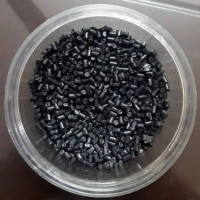
Why PA (Polyamide) Is the Superior Choice for Thermal Breaks
In modern aluminum window, door, and façade systems, energy efficiency depends not only on glazing performance but also on controlling heat transfer within the profile structure. Managing thermal transmission inside aluminum systems directly affects the overall energy performance of the building envelope. For this reason, thermal break technologies have become one of the essential components of high-performance building systems.
Among the materials used in thermal break applications, PA (polyamide) stands out due to its low thermal conductivity, high mechanical strength, dimensional stability, and long service life. In particular, glass-fiber reinforced PA66 solutions enhance energy performance while maintaining the structural integrity of modern aluminum systems.
The Evolution of Thermal Break Technologies and the Rise of PA
First Generation: Basic Insulation Approaches and Alternative Materials (1990–2005)
Early thermal break solutions were primarily designed to separate the interior and exterior aluminum sections. However, the materials used during this period often had limitations in mechanical performance and long-term durability.
Characteristics of this period:
- Basic thermal transfer control
- Limited mechanical strength
- Low system integration
- Restricted profile geometries
- Moderate energy efficiency
At this stage, thermal barriers were generally considered auxiliary elements intended to improve overall system performance.
Second Generation: Widespread Adoption of Glass-Fiber Reinforced PA Systems (2005–2015)
As energy standards increased and façade systems began carrying greater structural loads, PA-based thermal breaks gradually became the industry standard.
Glass-fiber reinforced materials such as PA66 GF25 introduced a major shift by combining thermal insulation and mechanical performance within a single solution.
Advancements introduced by PA:
- Lower thermal conductivity
- Higher load-bearing capacity
- Reduced deformation
- Stronger profile connections
- Long-term performance stability
Third Generation: PA as the Standard in High-Performance Building Systems (2015–Present)
Today, most high-performance aluminum systems are built around PA-based thermal break technologies.
Advanced extrusion processes, optimized profile geometries, and precision manufacturing methods have transformed PA from a simple insulating component into a core engineering element that directly influences system performance.
Why Are PA Thermal Breaks Superior?
1. Low Thermal Conductivity for Higher Energy Efficiency
The primary purpose of a thermal break material is to interrupt aluminum’s naturally high heat transfer capability. PA delivers a significant advantage due to its inherently low thermal conductivity.
Performance advantages:
- Reduction of thermal bridging
- Lower energy loss
- Improved U-values
- More stable indoor temperatures
- Reduced condensation risk
This level of performance becomes increasingly important in low-energy buildings and projects targeting high energy efficiency standards.
2. High Mechanical Strength and Structural Reliability
A thermal break does more than provide insulation—it also contributes to preserving the mechanical integrity of the aluminum profile system.
Glass-fiber reinforced PA offers a strong structure capable of performing under significant structural loads.
Mechanical advantages:
- High tensile strength
- High shear resistance
- Lower fracture risk
- Resistance to wind loads
- Long-term connection reliability
These characteristics provide major benefits, especially in large-span façade systems.
3. Dimensional Stability and Temperature Resistance
Thermal break materials must maintain dimensional consistency under changing environmental conditions.
PA materials provide excellent stability across varying temperature ranges.
- Low thermal expansion
- High temperature resistance
- Low deformation
- Maintained profile compatibility
- Consistent installation precision
These properties help preserve system performance throughout long-term use.
4. Long Service Life and Reduced Maintenance Requirements
Building system components are expected to maintain performance over many years of operation.
PA thermal breaks provide extended service life thanks to their mechanical durability, environmental resistance, and dimensional stability.
Long-term advantages:
- Lower maintenance costs
- Longer system lifespan
- Reduced performance degradation
- Higher investment value
- Reliable long-term operation
Critical Success Factors in PA Thermal Break Manufacturing
1. Proper Raw Material Selection
PA performance depends not only on material type but also on raw material quality.
- Controlled glass fiber ratio
- Low moisture content
- Uniform granule structure
- Stable processing behavior
- Consistent mechanical properties
2. Precision Extrusion Process
The performance of PA profiles depends heavily on temperature control, pressure management, and die precision throughout production.
- Stable melt flow
- Low internal stress
- Preservation of profile geometry
- High surface quality
- Dimensional accuracy
3. Quality Control and Long-Term Reliability
Thermal break performance must be maintained not only during production but throughout the product’s service life.
- Mechanical strength testing
- Dimensional verification
- Thermal performance validation
- Surface inspections
- Long-term durability analysis
Sustainability Perspective: The Thermal Break Material of the Future
PA Technology for More Efficient Buildings
Energy efficiency targets and sustainable construction standards increasingly require systems with reduced energy loss.
Sustainability contributions:
- Lower energy consumption
- Reduced carbon emissions
- Longer product lifespan
- Lower maintenance requirements
- Improved building performance
Future Outlook
In high-performance building systems, selecting a thermal break material is no longer simply an insulation decision—it is a strategic engineering choice that determines energy efficiency, structural reliability, and long-term system performance.
With its low thermal conductivity, high mechanical strength, dimensional stability, and long service life, PA will continue to be the superior choice for modern thermal break applications.