
Polyamide Thermal Barriers: The Global Energy Efficiency Revolution
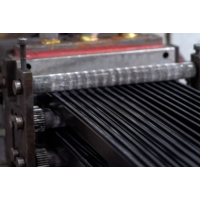
Polyamide Thermal Barriers: The Global Energy Efficiency Revolution
Polyamide thermal barriers are high-technology products that stand out as the key to energy efficiency in the modern construction industry. Used in aluminum window and facade systems, polyamide thermal barriers dramatically reduce heat losses while maximizing building energy performance. With rising energy costs and growing environmental awareness worldwide, polyamide thermal barriers are becoming increasingly critical in sustainable construction.
What are Polyamide Thermal Barriers and How Do They Work?
Polyamide thermal barriers are specialized engineering plastics inserted between the interior and exterior surfaces of aluminum profiles. These systems prevent energy losses by interrupting aluminum's high thermal conductivity and provide thermal comfort. Polyamide thermal barriers are reinforced with glass fiber to exhibit superior mechanical strength and thermal performance.
Polyamide Thermal Barriers Working Principle
Polyamide thermal barriers work by physically interrupting heat transfer:
- Thermal Bridge Breaking: Prevents heat conduction in aluminum profiles
- Condensation Prevention: Prevents moisture accumulation on interior surfaces
- Energy Savings: Reduces HVAC loads by 30-50%
- Comfort Enhancement: Provides interior temperature stability
Global Polyamide Thermal Barriers Market and Development
Market Growth and Trends
The global polyamide thermal barriers market has shown rapid growth over the past decade:
2015-2025 Market Development:
- 250% growth: Market expanded from 150,000 tons in 2015 to 525,000 tons in 2025
- Regional production increase: Reduced import dependency in emerging markets
- Technology transfer: Development of production capacity meeting European standards
- R&D investments: Increased indigenous formulation development activities
Sectoral Distribution
Polyamide thermal barriers application areas:
- 40% Residential projects: Housing developments and apartment complexes
- 35% Commercial buildings: Offices, shopping centers, and hotel projects
- 15% Industrial facilities: Factories and production centers
- 10% Public buildings: Hospitals, schools, and government facilities
Polyamide Thermal Barriers Production Technologies
Raw Materials and Formulations
PA66-Based Polyamide Thermal Barriers:
PA66 GF15 Series
- 15% glass fiber reinforced
- Thermal conductivity: 0.25-0.30 W/mK
- Tensile strength: 120-140 MPa
- Ideal choice for economical projects
PA66 GF20 Series
- 20% glass fiber content
- Enhanced mechanical properties
- Preferred in mid-segment projects
- Optimal performance/cost balance
PA66 GF25 Premium Series
- 25% glass fiber reinforced
- Maximum thermal performance
- Luxury and high-performance projects
- Offered with 30+ year warranty
PA66 GF30 Industrial Series
- 30%+ glass fiber ratio
- Heavy-duty applications
- Special design for industrial facilities
- Resistant to extreme load conditions
Production Processes and Quality Control
Extrusion Production:
- Raw material preparation: Virgin PA66 and glass fiber mixture
- Extrusion process: Shaping at 260-280°C temperatures
- Cooling and calibration: Precise dimension control
- Cutting and packaging: Preparation according to customer specifications
Quality Control Stages:
- Raw material analysis: Moisture, density, and chemical composition testing
- Production process monitoring: Temperature, speed, and pressure control
- Final product tests: Dimensional tolerance, mechanical properties, and thermal performance
- Certification: CE, ISO, and customer-specific testing
Polyamide Thermal Barriers Performance Evaluation
Thermal Performance Criteria
Polyamide thermal barriers thermal assessment:
U-Value Improvements:
- Standard aluminum: U = 5.8 W/m²K
- With polyamide thermal barriers: U = 1.4-2.2 W/m²K
- Improvement ratio: 60-75% thermal performance increase
- Energy savings: Annual 35-45% heating cost reduction
Mechanical Strength Testing
Polyamide thermal barriers mechanical tests:
Tensile Strength Testing:
- Test standard: EN ISO 527
- PA66 GF25: 180-200 MPa
- Safety factor: 3-4 times reserve
- Expected lifespan: 30+ years
Fatigue Resistance:
- Cycle count: 2,000,000+
- Load range: ±50% nominal load
- Temperature: -20°C to +80°C range
- Result: No performance degradation
Polyamide Thermal Barriers Application Guide
Selection by Project Type
Polyamide Thermal Barriers for Residential Projects:
Economic Housing (Social Housing):
- PA66 GF15 series recommended
- 14-18mm width sufficient
- Cost optimization priority
- Meets basic performance requirements
Mid-Segment Housing:
- PA66 GF20 series ideal
- 18-24mm width preferred
- Comfort and cost balance
- Energy certificate support
Luxury Residential Projects:
- PA66 GF25-30 premium series
- 24-32mm wide profiles
- Maximum performance target
- Prestige and sustainability focused
Special Solutions for Commercial Projects
Office Buildings: Polyamide thermal barriers office applications:
- Reinforced profiles for large glass surfaces
- Multi-functional solutions including acoustic performance
- Compatible design with building automation systems
- LEED and BREEAM certificate support
Shopping Centers:
- Special profiles capable of spanning large openings
- High security requirement polyamide thermal barriers
- Durable materials for 24/7 operation
- Fire safety certified products
Hotels and Tourism Facilities:
- Formulations resistant to marine atmosphere conditions
- UV stabilized polyamide thermal barriers
- Including sound insulation performance
- Aesthetic and functional balance
Polyamide Thermal Barriers Cost Analysis
Pricing Factors and Comparison
Polyamide thermal barriers price determinants:
Material Factors:
- Glass fiber ratio: 15% GF = $3.5/kg, 30% GF = $6.2/kg
- Profile complexity: Standard = 1x, Custom = 1.5-2x price
- Color and additives: Black standard, colored +10-15%
- Quantity: 15-20% discount for >1000 kg orders
Labor and Installation:
- Standard installation: $0.8-1.2/meter
- Special detail work: $2.0-3.2/meter
- Quality control: +5-10% additional cost
- Warranty coverage: Included in premium products
Return on Investment Calculation
1000 sq ft Residential Example:
- Extra investment: $400-700
- Annual energy savings: $180-320
- Payback period: 2-4 years
- 30-year gain: $3,500-6,500
Polyamide Thermal Barriers Technological Developments
R&D and Innovation Trends
Emerging Technologies:
Nano-Technology Applications:
- Nano-clay enhanced polyamide thermal barriers
- 20-30% better thermal performance
- Improved mechanical properties
- Increased UV resistance
Bio-Based Polyamides:
- Production from renewable sources
- Low carbon footprint
- Recyclable structure
- Environmentally friendly alternative
Smart Materials:
- Temperature-sensitive polyamide thermal barriers
- Adaptive thermal properties
- IoT sensor integration
- Real-time performance monitoring
Next 5 Years Projections
2025-2030 Development Projections:
- Market growth: 50% capacity increase expected
- Technology development: 30% better performance targeted
- Cost optimization: 20% price reduction anticipated
- Sustainability: 100% recyclable products
Polyamide Thermal Barriers Standards and Certifications
International Standards
European Standards:
- EN 14024: Polyamide thermal barriers performance standard
- EN ISO 10077: Window and door thermal performance
- CE Marking: European conformity declaration
- ISO 9001: Quality management system certificate
North American Standards:
- AAMA Standards: Fenestration performance criteria
- ASHRAE Guidelines: Energy efficiency requirements
- ICC Building Codes: Construction compliance standards
- Energy Star: Performance certification programs
Certification Process
Polyamide thermal barriers certification stages:
-
Laboratory Testing (4-6 weeks)
- Thermal performance measurements
- Mechanical strength testing
- Fire safety assessment
- Environmental impact analysis
-
Factory Inspection (2-3 weeks)
- Production process control
- Quality system evaluation
- Personnel competency verification
- Documentation review
-
Certificate Issuance (1-2 weeks)
- Test results evaluation
- Conformity declaration preparation
- Certificate document preparation
- Market authorization
Polyamide Thermal Barriers Purchasing Guide
Supplier Selection Criteria
Reliable Polyamide Thermal Barriers Supplier Characteristics:
Technical Competency:
- 10+ years industry experience
- Fully equipped laboratory
- R&D investments
- Engineering team support
Production Capacity:
- Monthly minimum 100 ton production
- Flexible production program
- Fast delivery capability
- Custom order ability
Quality Assurance:
- ISO 9001 certification
- CE marked products
- 10+ year product warranty
- Test report transparency
Customer Service:
- 24/7 technical support
- On-site engineering support
- Training programs
- Problem-solving capacity
Contract and Warranty Conditions
Polyamide thermal barriers purchase contract considerations:
Technical Specifications:
- Glass fiber ratio guarantee
- Thermal conductivity values
- Mechanical property minimums
- Dimensional tolerance limits
Delivery Conditions:
- Delivery time and penalties
- Packaging standards
- Transportation conditions
- Storage requirements
Warranty Coverage:
- Material warranty period
- Performance guarantee conditions
- Replacement procedures
- Damage liability
Sustainability and Polyamide Thermal Barriers
Environmental Impact and Life Cycle
Polyamide thermal barriers environmental benefits:
Carbon Footprint Reduction:
- 40-60% reduction in building operational emissions
- Low energy consumption during production phase
- Reduced replacement needs through long lifespan
- Recyclable material structure
Circular Economy Contribution:
- Production: Use of recycled polyamide
- Use: 30+ year service life
- End of life: 95% recyclability
- Reproduction: Closed-loop system
Role in Global Green Transformation
2050 Net Zero Goals with Polyamide Thermal Barriers:
- Potential to reduce building sector emissions by 30%
- Contribution to reduced energy import dependency
- Indigenous and national technology development opportunity
- Export potential with foreign exchange earnings
Regional Market Analysis: Global Polyamide Thermal Barriers
Market Distribution by Region
North America:
- United States: 35% of global market, luxury residential focused
- Canada: 8% share, commercial projects dominant
- Mexico: 5% share, industrial applications emerging
Europe:
- Germany: 18% share, industrial applications heavy
- France: 12% share, renovation projects prominent
- United Kingdom: 8% share, energy efficiency regulations driving
Asia-Pacific:
- China: Tourism sector focused growth
- Japan: High-tech applications concentrated
- South Korea: Rapid development with green building codes
- Australia: Climate-responsive design trending
Climate Zone Specific Requirements
Temperate Climate Zones:
- UV resistant polyamide thermal barriers
- Enhanced moisture resistance formulations
- Cooling-focused energy savings
- Corrosion protection for coastal areas
Continental Climate Zones:
- Balanced heating-cooling performance
- Standard polyamide thermal barriers suitable
- Wide temperature range durability
- Moisture control prioritized
Tropical Climate Zones:
- High humidity resistance critical
- Enhanced corrosion resistance
- Continuous moisture exposure calculated
- Special surface treatments required
Arctic/Subarctic Zones:
- Extreme cold resistance (-40°F/-40°C)
- High thermal shock resistance
- Heating-focused design
- Reinforced polyamide thermal barriers
Global Market Trends and Future Outlook
Emerging Market Opportunities
Developing Economies:
- Rapid urbanization driving demand
- Government energy efficiency mandates
- Foreign investment in green building
- Technology transfer partnerships
Retrofit Markets:
- Existing building energy upgrades
- Historic preservation requirements
- Government incentive programs
- Energy audit compliance needs
Technology Integration Trends
Building Information Modeling (BIM):
- Polyamide thermal barriers digital libraries
- Performance simulation integration
- Automated specification generation
- Life-cycle assessment tools
Internet of Things (IoT):
- Smart building integration
- Performance monitoring systems
- Predictive maintenance algorithms
- Energy optimization platforms
Quality Assurance and Testing Protocols
International Testing Standards
Thermal Performance Testing:
- ISO 12567: Thermal transmission properties
- ISO 15099: Thermal performance calculation
- NFRC Standards: North American rating procedures
- EN 673: Thermal characteristics determination
Mechanical Testing Protocols:
- ISO 527: Tensile properties determination
- ISO 178: Flexural properties measurement
- ISO 179: Charpy impact strength testing
- ASTM D638: Tensile properties of plastics
Field Performance Validation
Installation Quality Control:
- Thermal imaging verification
- Air leakage testing
- Moisture barrier integrity
- Structural load verification
Long-term Monitoring:
- Annual performance assessments
- Degradation rate analysis
- Warranty compliance tracking
- Customer satisfaction surveys
Economic Impact and Industry Analysis
Global Economic Benefits
Energy Sector Impact:
- Reduced peak demand on electrical grids
- Lower fossil fuel consumption
- Decreased infrastructure investment needs
- Enhanced energy security
Construction Industry Benefits:
- Higher building values and marketability
- Reduced liability for energy performance
- Competitive advantage in green building
- Access to government incentives
Market Size and Projections
Global Market Value:
- 2025 Market: $2.8 billion
- 2030 Projection: $4.6 billion
- Annual Growth Rate: 10.5%
- Key Growth Drivers: Energy codes, climate goals
Regional Growth Rates:
- Asia-Pacific: 14.2% annually
- North America: 8.7% annually
- Europe: 7.3% annually
- Rest of World: 12.1% annually
Innovation and Future Technologies
Next-Generation Materials
Advanced Formulations:
- Carbon fiber reinforced polyamides
- Hybrid glass-carbon fiber systems
- Nano-enhanced thermal barriers
- Phase change material integration
Smart Material Development:
- Self-monitoring thermal barriers
- Adaptive thermal conductivity
- Responsive mechanical properties
- Integrated sensor capabilities
Manufacturing Innovations
Industry 4.0 Integration:
- Automated quality control systems
- Real-time process optimization
- Predictive maintenance algorithms
- Digital twin manufacturing
Sustainable Production:
- Renewable energy powered facilities
- Closed-loop recycling systems
- Bio-based raw material integration
- Carbon neutral manufacturing goals
Conclusion: Investing in the Future with Polyamide Thermal Barriers
Polyamide thermal barriers are critical technologies playing a vital role in achieving global energy efficiency goals. With increasing energy costs, tightening environmental regulations, and growing sustainability awareness, polyamide thermal barriers are becoming increasingly strategic in the construction industry.
Primary Polyamide Thermal Barriers Benefits:
✅ 40-60% Energy Savings: Low operating costs and rapid payback
✅ 30+ Year Lifespan: Long-term investment security and low maintenance
✅ Environmentally Friendly: Recyclable structure and low carbon footprint
✅ Global Standards: CE, ISO certified reliable performance
✅ Versatile Applications: Multi-functional use from residential to industrial
✅ Technological Development: Continuously improving performance through R&D
✅ Economic Value: Strong ROI and enhanced property values
✅ Regulatory Compliance: Meets stringent energy codes worldwide
As a leading global polyamide thermal barriers manufacturer with 25+ years of experience, we deliver the industry's highest quality and most innovative solutions. To achieve your energy efficiency goals, fulfill environmental responsibilities, and obtain long-term investment value, partner with the right supplier for your polyamide thermal barriers selection.
Contact and Technical Support: With 30 years of expertise in polyamide thermal barriers, we develop project-specific solutions, provide technical support, and stand by your side with quality production. Plan tomorrow's sustainable buildings today with proven thermal barrier technology that delivers exceptional performance and value.