
Complete Guide to Polyamide Thermal Breaks
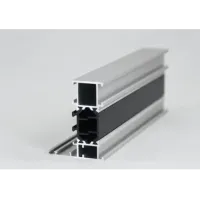
Complete Guide to Polyamide Thermal Break Selection: Engineering Solutions for Maximum Performance
Choosing the right Polyamide Thermal Break system is critical for achieving optimal building performance, energy efficiency, and long-term durability. This comprehensive selection guide provides engineers, architects, and specifiers with essential technical insights for specifying Polyamide Thermal Break solutions that deliver superior results across diverse applications.
Understanding Polyamide Thermal Break Performance Criteria
Critical Performance Parameters
When evaluating Polyamide Thermal Break options, five fundamental performance criteria determine system effectiveness:
Thermal Conductivity (λ-value)
The most crucial specification for Polyamide Thermal Break systems ranges from 0.15 to 0.35 W/mK. Lower values indicate superior thermal performance, with glass fiber reinforced polyamides typically achieving λ = 0.25-0.30 W/mK.
Mechanical Strength Properties
Polyamide Thermal Break systems must withstand structural loads, thermal stresses, and environmental factors. Key mechanical properties include:
- Tensile strength: 100-200 MPa
- Flexural strength: 150-300 MPa
- Impact resistance: 15-40 kJ/m²
- Fatigue resistance: >2 million cycles
Dimensional Stability
Temperature fluctuations cause thermal expansion in Polyamide Thermal Break systems. Quality products maintain dimensional stability with expansion coefficients between 25-35 × 10⁻⁶ K⁻¹.
Polyamide Thermal Break Material Compositions and Properties
PA66 Glass Fiber Reinforced Systems
PA66 GF15 Polyamide Thermal Break
- 15% glass fiber content
- Thermal conductivity: 0.28 W/mK
- Ideal for light-duty residential applications
- Cost-effective solution for standard projects
PA66 GF20 Polyamide Thermal Break
- 20% glass fiber reinforcement
- Enhanced mechanical properties
- Suitable for mid-rise commercial buildings
- Balanced performance-to-cost ratio
PA66 GF25 Polyamide Thermal Break
- 25% glass fiber content
- Premium thermal and mechanical performance
- Recommended for high-performance facades
- Excellent long-term durability
PA66 GF30+ Polyamide Thermal Break
- 30%+ glass fiber reinforcement
- Maximum strength for extreme conditions
- Ideal for high-rise and industrial applications
- Superior load-bearing capacity
Advanced Polyamide Formulations
Modified PA66 Systems
Incorporating additives like impact modifiers, UV stabilizers, and thermal stabilizers enhance Polyamide Thermal Break performance for specific applications.
Bio-based Polyamide Thermal Break
Emerging sustainable formulations using renewable feedstocks maintain performance while reducing environmental impact.
Application-Specific Polyamide Thermal Break Selection
Residential Building Applications
Single-Family Homes
- Polyamide Thermal Break width: 14-20mm
- Glass fiber content: 15-20%
- Focus on cost-effectiveness and standard performance
- Typical U-value improvement: 40-60%
Multi-Family Residential
- Polyamide Thermal Break width: 18-24mm
- Glass fiber content: 20-25%
- Enhanced performance for energy code compliance
- Acoustic benefits increasingly important
Luxury Residential Projects
- Polyamide Thermal Break width: 24-32mm
- Glass fiber content: 25-30%
- Maximum performance for premium applications
- Custom profiles for architectural requirements
Commercial Building Solutions
Office Buildings Polyamide Thermal Break selection for office applications prioritizes:
- Thermal performance for HVAC load reduction
- Structural capacity for large glazing systems
- Maintenance accessibility and durability
- Integration with building automation systems
Retail and Shopping Centers Key considerations for Polyamide Thermal Break in retail:
- Large span capabilities for storefront glazing
- Security and impact resistance requirements
- Climate control for merchandise protection
- Energy cost optimization for operational efficiency
Healthcare Facilities Polyamide Thermal Break specifications for hospitals require:
- Superior indoor air quality maintenance
- Precise temperature and humidity control
- Low-emission material certifications
- Enhanced durability for 24/7 operations
Industrial and Specialized Applications
Manufacturing Facilities Polyamide Thermal Break for industrial use demands:
- Chemical resistance to process emissions
- Temperature stability for extreme conditions
- Heavy-duty mechanical performance
- Maintenance-free operation requirements
Data Centers and Clean Rooms Critical Polyamide Thermal Break specifications include:
- Precise environmental control capabilities
- Low outgassing characteristics
- Static electricity dissipation properties
- Contamination prevention features
Polyamide Thermal Break System Design Considerations
Thermal Modeling and Calculations
Finite Element Analysis (FEA)
Advanced Polyamide Thermal Break selection utilizes FEA modeling to optimize:
- Heat transfer pathways
- Temperature distribution patterns
- Thermal bridge mitigation effectiveness
- Energy consumption predictions
Condensation Risk Assessment
Polyamide Thermal Break systems must prevent condensation through:
- Surface temperature calculations
- Humidity ratio analysis
- Ventilation integration planning
- Vapor barrier coordination
Structural Engineering Integration
Load Transfer Mechanisms
Polyamide Thermal Break systems transfer loads through:
- Direct compression for vertical loads
- Shear transfer for lateral forces
- Moment resistance for wind loads
- Thermal stress accommodation
Connection Details
Critical Polyamide Thermal Break connection considerations:
- Adhesive selection and application
- Mechanical fastening methods
- Thermal expansion joint design
- Sealant compatibility verification
Quality Assurance for Polyamide Thermal Break Systems
Manufacturing Quality Control
Raw Material Verification
Quality Polyamide Thermal Break production requires:
- Virgin polyamide resin certification
- Glass fiber content verification
- Additive package validation
- Moisture content control
Production Process Monitoring
Key Polyamide Thermal Break manufacturing controls:
- Extrusion temperature profiles
- Cooling rate management
- Dimensional tolerance verification
- Surface quality inspection
Field Testing and Validation
Thermal Performance Verification
Polyamide Thermal Break field testing includes:
- Infrared thermography analysis
- Heat flux measurement
- Surface temperature monitoring
- Energy consumption validation
Mechanical Testing Protocols
Polyamide Thermal Break mechanical verification:
- Pull-out strength testing
- Fatigue cycling evaluation
- Impact resistance verification
- Long-term load testing
Economic Analysis of Polyamide Thermal Break Investments
Initial Cost Considerations
Material Cost Factors
Polyamide Thermal Break pricing depends on:
- Glass fiber content (higher % = higher cost)
- Profile complexity and custom requirements
- Volume quantities and project scale
- Regional availability and logistics
Installation Cost Variables
Polyamide Thermal Break installation costs include:
- Labor skill requirements
- Specialized tooling needs
- Quality control procedures
- Project schedule impacts
Life-Cycle Cost Benefits
Energy Savings Quantification
Polyamide Thermal Break energy benefits:
- Heating load reduction: 30-50%
- Cooling load decrease: 25-40%
- Peak demand reduction: 20-35%
- Annual utility cost savings: $1-4/sq ft
Maintenance and Replacement Savings
Polyamide Thermal Break durability advantages:
- 30+ year service life
- Minimal maintenance requirements
- No performance degradation
- Reduced replacement frequency
Future Innovations in Polyamide Thermal Break Technology
Smart Thermal Break Systems
Adaptive Thermal Properties
Next-generation Polyamide Thermal Break developments include:
- Phase change material integration
- Variable thermal conductivity
- Responsive insulation properties
- IoT sensor integration
Enhanced Material Formulations
Advanced Polyamide Thermal Break innovations:
- Nanoparticle reinforcement
- Bio-based polymer matrices
- Recycled content incorporation
- Multi-functional additives
Digital Design Tools
AI-Powered Selection Software
Future Polyamide Thermal Break selection tools will feature:
- Machine learning optimization
- Performance prediction algorithms
- Cost-benefit analysis automation
- Sustainability impact assessment
Troubleshooting Common Polyamide Thermal Break Issues
Performance Problems and Solutions
Thermal Bridge Formation
When Polyamide Thermal Break systems underperform:
- Verify installation continuity
- Check for metallic connections
- Inspect adhesive bond integrity
- Evaluate system design adequacy
Mechanical Failure Analysis
Polyamide Thermal Break mechanical issues:
- Assess load distribution
- Review material specifications
- Examine environmental exposure
- Investigate installation quality
Installation Challenges
Common Installation Errors
Polyamide Thermal Break installation problems:
- Inadequate surface preparation
- Incorrect adhesive application
- Misaligned component placement
- Insufficient quality control
Preventive Measures
Polyamide Thermal Break installation best practices:
- Comprehensive contractor training
- Detailed installation procedures
- Regular quality inspections
- Performance verification testing
Regulatory Compliance and Polyamide Thermal Break Standards
International Standards Compliance
European Standards (EN)
Polyamide Thermal Break European requirements:
- EN 14024: Thermal break performance
- EN 13830: Curtain wall standards
- EN 1027: Window and door testing
- EN ISO 12631: Thermal performance
North American Standards
Polyamide Thermal Break North American compliance:
- AAMA standards for fenestration
- ASHRAE energy efficiency guidelines
- ICC building code requirements
- Energy Star performance criteria
Sustainability Certifications
Green Building Standards
Polyamide Thermal Break sustainability recognition:
- LEED credit contributions
- BREEAM assessment points
- Living Building Challenge compliance
- Well Building Standard support
Conclusion: Optimizing Polyamide Thermal Break Selection
Successful Polyamide Thermal Break specification requires comprehensive understanding of performance requirements, application constraints, and long-term objectives. The optimal Polyamide Thermal Break solution balances thermal performance, mechanical strength, durability, and cost-effectiveness for specific project needs.
Key Selection Criteria Summary:
???? Technical Performance: Match Polyamide Thermal Break specifications to thermal and structural requirements
???? Economic Value: Evaluate Polyamide Thermal Break life-cycle costs versus performance benefits
????️ Application Suitability: Select Polyamide Thermal Break systems appropriate for specific building types
✅ Quality Assurance: Verify Polyamide Thermal Break manufacturing and installation quality
???? Sustainability Goals: Choose Polyamide Thermal Break solutions supporting environmental objectives
???? Regulatory Compliance: Ensure Polyamide Thermal Break meets applicable codes and standards
Expert Consultation Available: Our technical team provides specialized Polyamide Thermal Break selection guidance, custom engineering support, and comprehensive project assistance. Contact us for detailed analysis and optimization of your Polyamide Thermal Break requirements to achieve maximum performance and value.